How to Install the Best Driveway for Your Home  

The smooth design of driveways isn’t easy to achieve. It requires hard work, advanced engineering, and a lot of skills and experience to achieve the best results. You also have to hire professionals to get it done. Their expertise is required to make things work. It’s necessary to hire professionals because a driveway must be installed using three different methods. Such methods involve the base preparation, layering, and covering.  

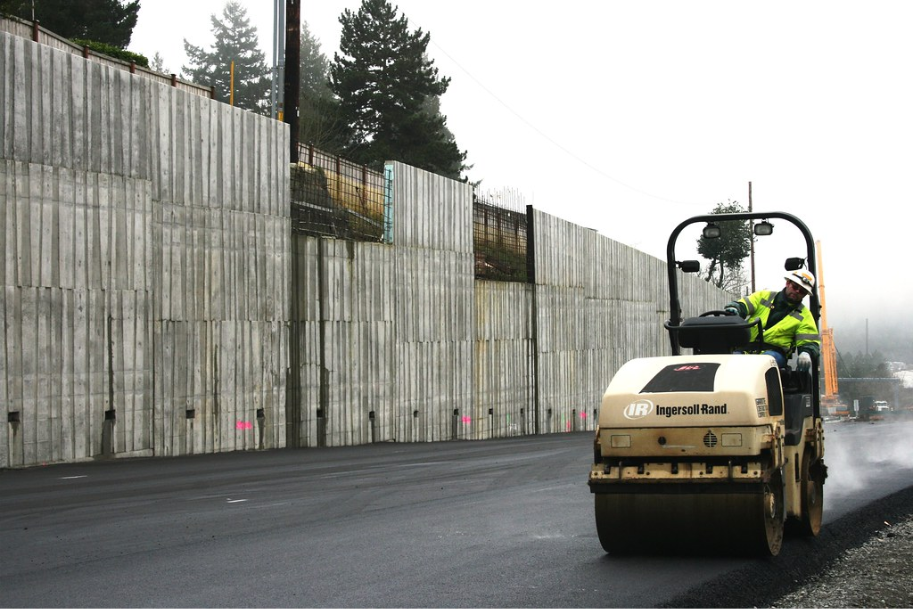
First, they test soil and humidity holding capacity and then the prevailing weather condition must be considered. The moisture in the air and the temperature can affect the results. The driveway should also be pressurized with the use of a compactor. Sand is also sometimes used in case of sticky soil. In some situations, the use of fly ash and stone dust will be used to make the surface harder. A novice is unlikely to do this because it requires a heavy machinery and not just manpower to achieve the right result. 

Asphalt Installation Basics 

The base, middle, and topmost layers are prepared by the load and frequency vehicles. The layer’s thickness ranges from 3-6 inches. Its job is to support the vehicles to avoid crack. Groveling, epoxy compounds stone, dust, and a mixture of broken stones are sometimes used to bind well. 

Preparing the last layer for the most difficult work, because it covers ideas of human, mechanical and chemical engineering. The most common driveway paving materials are asphalt, segmented, and concrete blocks. These two are actually among the popular methods used, accounting for 90% of the driveway. In snowy areas asphalt is commonly used. Concrete is preferred in rainy areas and in areas where weather patterns play an important role. 

Concrete and Asphalt Driveway Basics 

The paving material that is popular as bitumen is the most common everywhere. Asphalt is elastic, durable, smooth and stain resistant. It is used for snowy and cold atmosphere. The second layer must be engineered by experts a feet wider compared to the topmost layer to avoid edge breakup. If you want a sleek and long driveway at a budget, this is what you do. Doing this will only require occasional repairs. 

Some experts prefer using concrete for areas with cold, rainy, and moist weather. Depending on the prevailing conditions, the materials used are Portland cement, gravel, and sand. Crushed stones mixed in the right ratio may also be used. The water performs the process of chemical hydration and requires a few weeks’ worth of watering. This must be performed at a specific angle by special machines. If pricing isn’t your concern, then you must account for the installation’s strength and reliability. That’s how you create a good concrete driveway. A gravel entrance is basic but it doesn’t have as much durability or endurance. 

Asphalt or Concrete? 

Whether you choose an asphalt or concrete based driveway, you’ll need the help of a professional. Your home entrance requires immense manual labor and heavy equipment to install, and that is not easily available to people. Recruiting an expert not only saves you money, but it also saves you valuable time. Some contractors come with enticing packages for maintenance and installation, which will be your long-term advantage. Most seasoned companies offer free recommendations for your needs. Needless to say, hire the best paving company and you’ll never go wrong.   

Not All Chronic Pain Is the Same and Treatment Should Reflect That

One of the most common misconceptions about chronic pain is that it is a single, uniform condition that responds to a standard set of treatments. In reality, chronic pain is an umbrella term that covers a wide spectrum of distinct conditions, each with its own underlying mechanisms, triggers, and optimal treatment pathways. 

Getting the Right Care Means Understanding What You Are Dealing With

The foundation of effective pain management is accurate classification of the type of pain a patient is experiencing. People seeking specialized pain management Rockwall care benefit most from providers who take the time to understand not just where the pain is located but what is actually driving it at a biological and neurological level before recommending any course of treatment.

Nociceptive Pain Responds Well to Targeted Intervention

First and foremost, nociceptive pain is the most straightforward category to understand because it arises from actual or potential tissue damage. This is the type of pain associated with injuries, arthritis, and post-surgical recovery, where the pain signal is a direct response to physical damage or inflammation in a specific location. Because the source is identifiable and localized, nociceptive pain often responds well to targeted interventional treatments, anti-inflammatory therapies, and physical rehabilitation programs designed to address the underlying tissue condition driving the discomfort.

Neuropathic Pain Requires a Fundamentally Different Approach

Furthermore, neuropathic pain arises from damage or dysfunction within the nervous system itself rather than from tissue injury, and it behaves in ways that can feel confusing and unpredictable to patients experiencing it for the first time. Burning sensations, electric shock-like pain, hypersensitivity to touch, and pain that appears in areas without obvious injury are all hallmarks of neuropathic conditions. 

Central Sensitization Explains Why Some Pain Persists Without Obvious Cause

Another important and frequently misunderstood pain category is central sensitization, a condition in which the central nervous system becomes hypersensitized and begins amplifying pain signals far beyond what the original injury or condition would justify. Patients with central sensitization often face skepticism from providers unfamiliar with the condition because standard imaging and diagnostic tests reveal nothing that explains the severity of their experience. 

Mixed Pain Conditions Demand Comprehensive and Flexible Treatment Plans

Finally, many chronic pain patients do not fall neatly into a single category but instead present with overlapping pain types that require a multifaceted and continuously adapted treatment approach. A patient with both nociceptive pain from spinal degeneration and neuropathic pain from associated nerve compression needs a care plan that addresses both mechanisms simultaneously rather than defaulting to a single treatment strategy. 

Conclusion: Getting the Right Care Means Understanding What You Are Dealing With

To bring it all together, chronic pain is not one condition but many, and the path to genuine relief begins with understanding which type of pain you are living with and why. Nociceptive, neuropathic, centrally sensitized, and mixed pain conditions each respond to different treatments, and receiving care from providers who recognize and respect those distinctions makes all the difference. Every chronic pain patient deserves a diagnosis that reflects the true nature of their experience and a treatment plan built specifically around it.

Understanding Warranty Coverage for Auto Mechanic Repairs

Taking your car in for repairs is already stressful enough without worrying about what happens if something goes wrong afterward. Thankfully, most reputable mechanic shops back their work with warranty coverage that protects you beyond the day of service. Understanding how these warranties work empowers you to make smarter decisions and gives you genuine peace of mind. 

How to Understand Warranty Coverage for Car Repairs

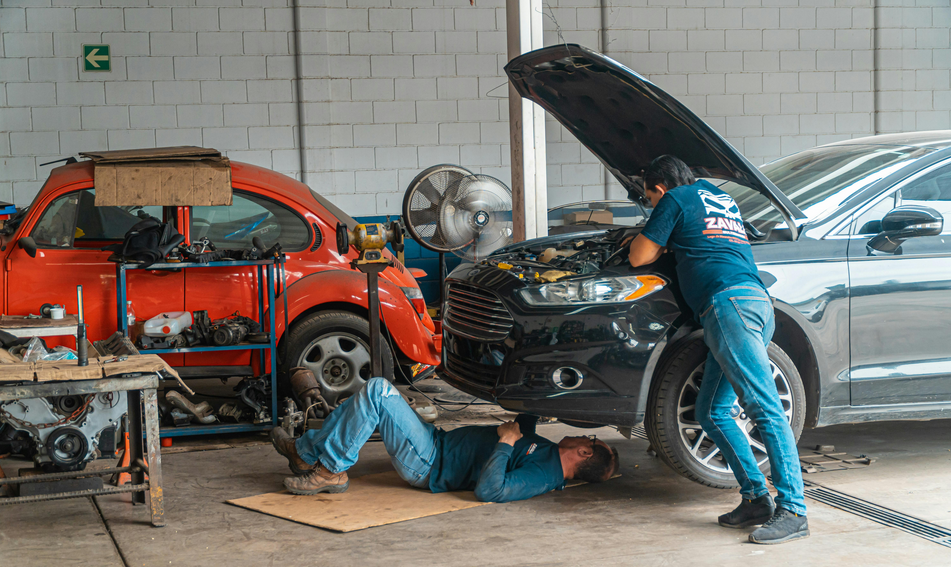
Let’s break down everything you need to know about warranty coverage for auto mechanic repair Waterford in a way that actually makes sense.

What a Repair Warranty Actually Covers

A repair warranty is a promise from the mechanic shop that their labor and the parts they installed will perform as expected for a defined period of time. If the same problem reappears or a replaced part fails within the warranty window, the shop actively repairs it again at no additional cost to you. Most warranties cover both the parts used and the labor required to install them. However, it is important to understand that warranties typically apply only to the specific repair performed, not to unrelated issues that develop afterward.

Types of Warranties You Will Commonly Encounter

Mechanic shops generally offer two types of warranties: parts warranties and labor warranties. Parts warranties come directly from the manufacturer of the component and vary widely depending on the brand and part type. Labor warranties, on the other hand, come from the shop itself and cover the quality of the technician’s work. Furthermore, some shops offer a combined warranty that bundles both parts and labor together under a single agreement. Always ask your mechanic to clearly explain which type of warranty applies to your specific repair before any work begins.

How Long Warranty Periods Typically Last

Warranty lengths vary significantly from shop to shop and repair to repair. Many independent mechanic shops offer warranties ranging from 90 days to one year on standard repairs, while some shops extend coverage up to 24 months or 24,000 miles on more substantial work. Additionally, shops that use premium or OEM parts often provide longer warranty periods because those components carry stronger manufacturer backing. 

What Voids a Repair Warranty

Understanding what can void your warranty is just as important as knowing what it covers. Most shops void warranties when a customer takes the repaired vehicle to another shop and that shop modifies or interferes with the original repair. Similarly, neglecting related maintenance, using improper fluids, or causing physical damage to the repaired component can also cancel coverage. 

Comparing Warranty Offerings Before You Choose a Shop

Not all repair warranties are created equal, so comparing coverage before selecting a mechanic shop is a wise move. Ask each shop directly about their warranty terms, including length, what is covered, and any conditions that could affect your protection. Moreover, shops that offer strong warranties typically signal greater confidence in the quality of their work and the parts they use. 

Conclusion: How to Understand Warranty Coverage for Car Repairs

Warranty coverage for auto mechanic repairs is one of the most valuable protections available to car owners, yet many drivers overlook it entirely. By understanding what warranties cover, how long they last, and what can void them, you position yourself to get the full value from every repair. So, before your next service visit, take a moment to ask about warranty terms and choose a shop that confidently stands behind its work.